RB Architect Home

Category

Design Philosophy

20 articles

Behind the Building: The Case for Designing Service Spaces with the Same Rigor as the Front Door

Behind the Building: The Case for Designing Service Spaces with the Same Rigor as the Front Door

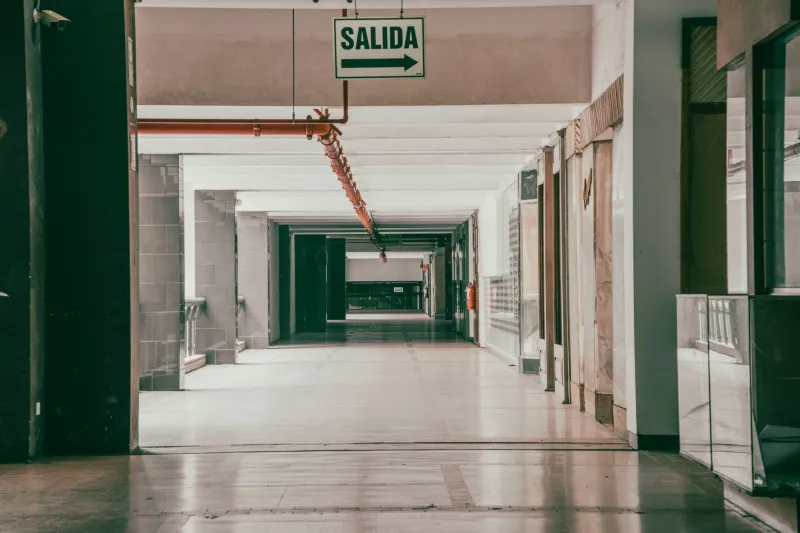
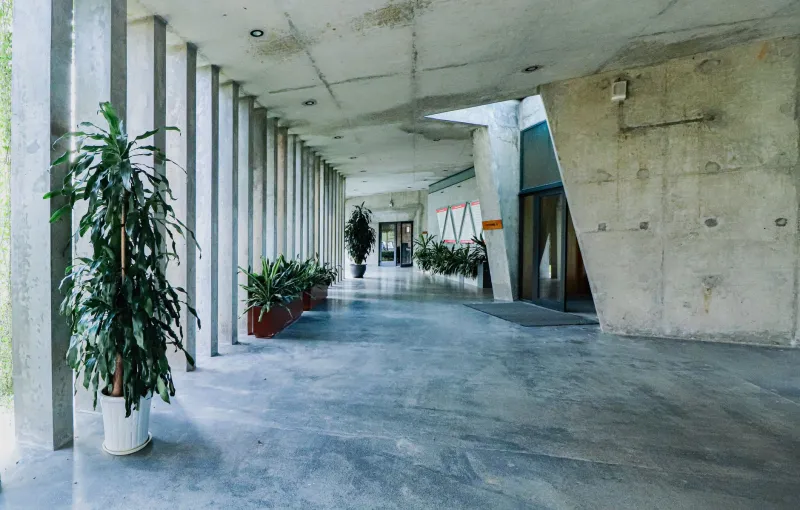
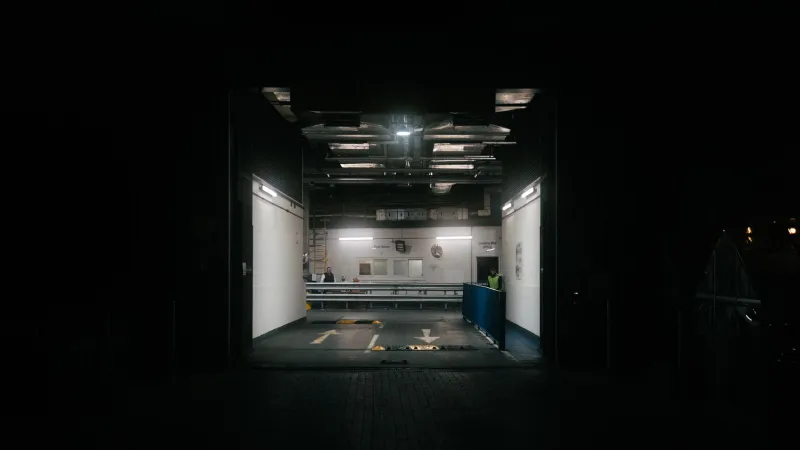
Loading docks, mechanical corridors, and back-of-house entries are rarely celebrated in architectural photography, yet they govern the daily experience of the people who keep buildings running. At RB Architect, we argue that the quality of a building's utilitarian infrastructure is among the most honest measures of its design integrity—and that neglecting these spaces carries consequences far more serious than most clients anticipate.
Rooted in Place: Why Landscape Integration Is Architecture's Most Consequential Decision

Rooted in Place: Why Landscape Integration Is Architecture's Most Consequential Decision

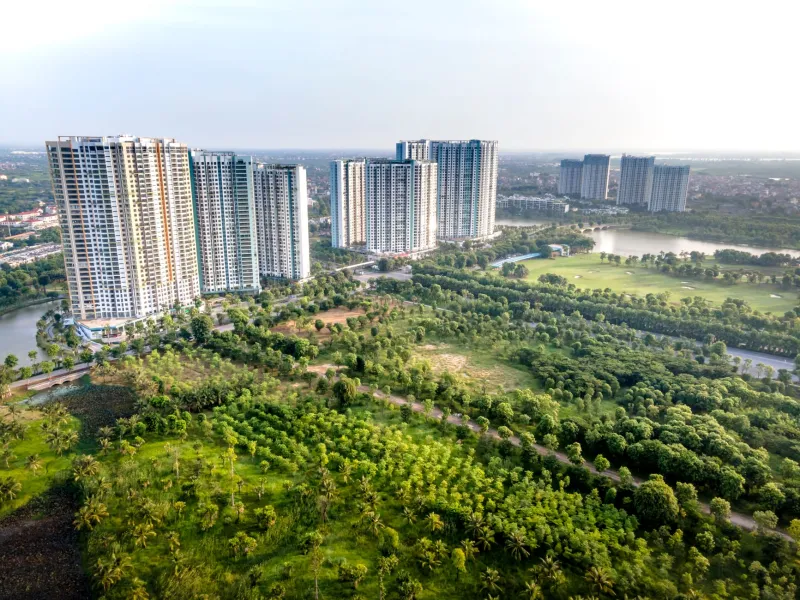
A building's relationship to its surrounding landscape is rarely treated with the same rigor as its structural or interior systems—yet it may be the single factor that determines whether a structure feels inevitable or intrusive. The most enduring works of architecture don't merely occupy a site; they enter into a dialogue with it. Understanding that dialogue is essential to designing buildings that truly belong.

What Lies Beneath: The Case for Treating Basement Design as a Building's First Commitment

What Lies Beneath: The Case for Treating Basement Design as a Building's First Commitment

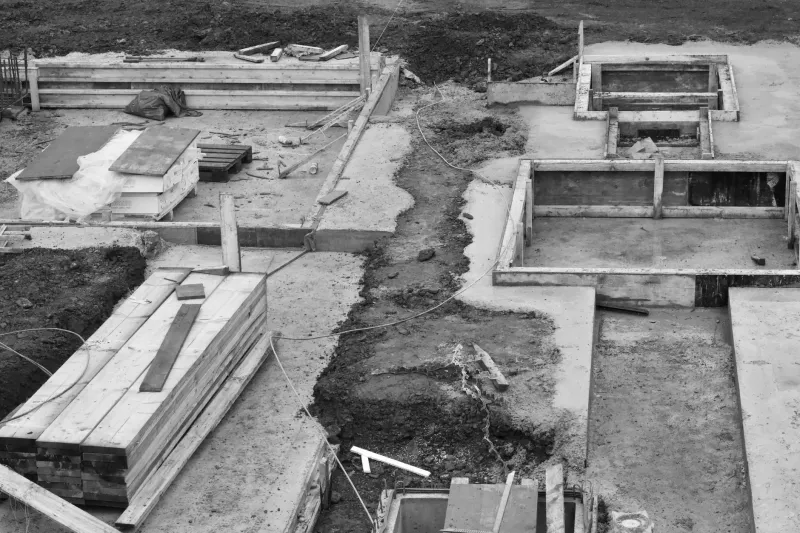
In architecture, the spaces least visible to the public often reveal the most about a firm's integrity. Basement design—frequently dismissed as a utilitarian afterthought—is, in practice, one of the most consequential decisions a building makes about its relationship to the land beneath it. How a structure resolves its underground condition determines not merely its mechanical efficiency, but its longevity, resilience, and honest claim to the site it occupies.

The Rise Between Floors: How Staircase Design Shapes Our Inner Sense of Progress

The Rise Between Floors: How Staircase Design Shapes Our Inner Sense of Progress

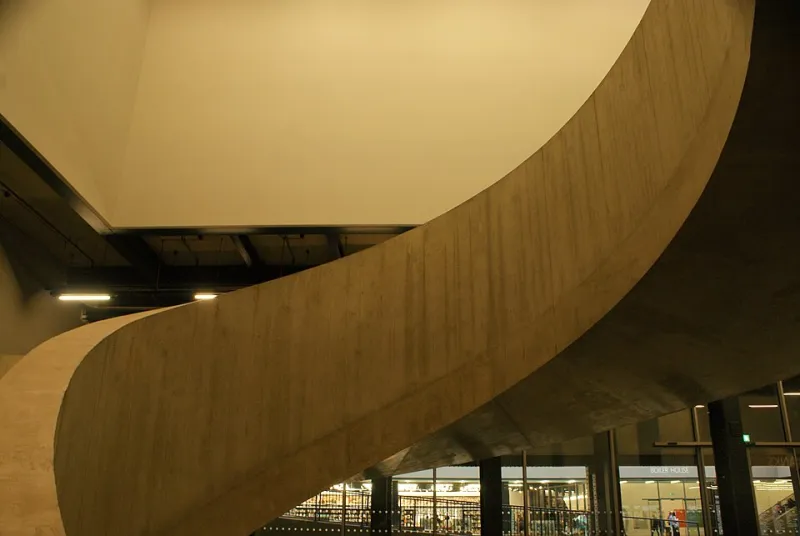
A staircase is rarely just a means of getting from one floor to another. Its proportions, materials, and spatial relationship to the building around it quietly communicate something about aspiration, hierarchy, and forward motion. Understanding how this element operates beneath conscious awareness is essential to designing spaces that genuinely move people.

What You Walk On: The Quiet Authority of Ground Plane Design

What You Walk On: The Quiet Authority of Ground Plane Design

The surface beneath your feet does far more than support your weight. Through material, pattern, and elevation, the ground plane communicates hierarchy, channels movement, and shapes emotional experience in ways most occupants never consciously register. Understanding this dimension of architectural design is essential to creating spaces that feel both purposeful and deeply human.

Designing for the Long Haul: Architecture's Responsibility to an Aging America

Designing for the Long Haul: Architecture's Responsibility to an Aging America

America's demographic landscape is shifting in ways that demand a fundamental rethinking of how residential and commercial spaces are conceived and built. Designing for aging in place is no longer a niche accommodation — it is an emerging imperative that challenges architects to reconcile accessibility with aesthetic ambition. The most compelling discovery is that when done well, the two are not in conflict at all.

The Heart of the House: How the Modern Kitchen Became Architecture's Most Strategic Room

The Heart of the House: How the Modern Kitchen Became Architecture's Most Strategic Room

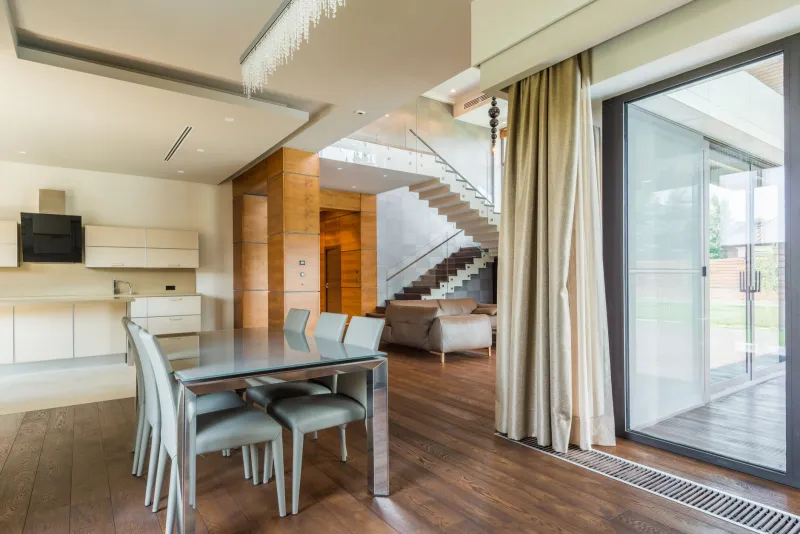
For decades, the kitchen was treated as a room to be hidden—efficient, functional, and largely invisible to the social life of the home. Contemporary residential architecture is correcting that oversight, repositioning the kitchen not merely as a workspace but as the genuine organizational center around which family life, social ritual, and daily routine converge.

Lost on Purpose: The Case for Buildings That Let You Wander

Lost on Purpose: The Case for Buildings That Let You Wander

The best-navigated buildings are not always the best-experienced ones. When wayfinding systems prioritize efficiency above all else, they can quietly strip away the curiosity, surprise, and spatial discovery that make a building genuinely memorable. The most enduring architecture guides people without governing them.

Between Outside and In: The Strategic Power of Transitional Space

Between Outside and In: The Strategic Power of Transitional Space

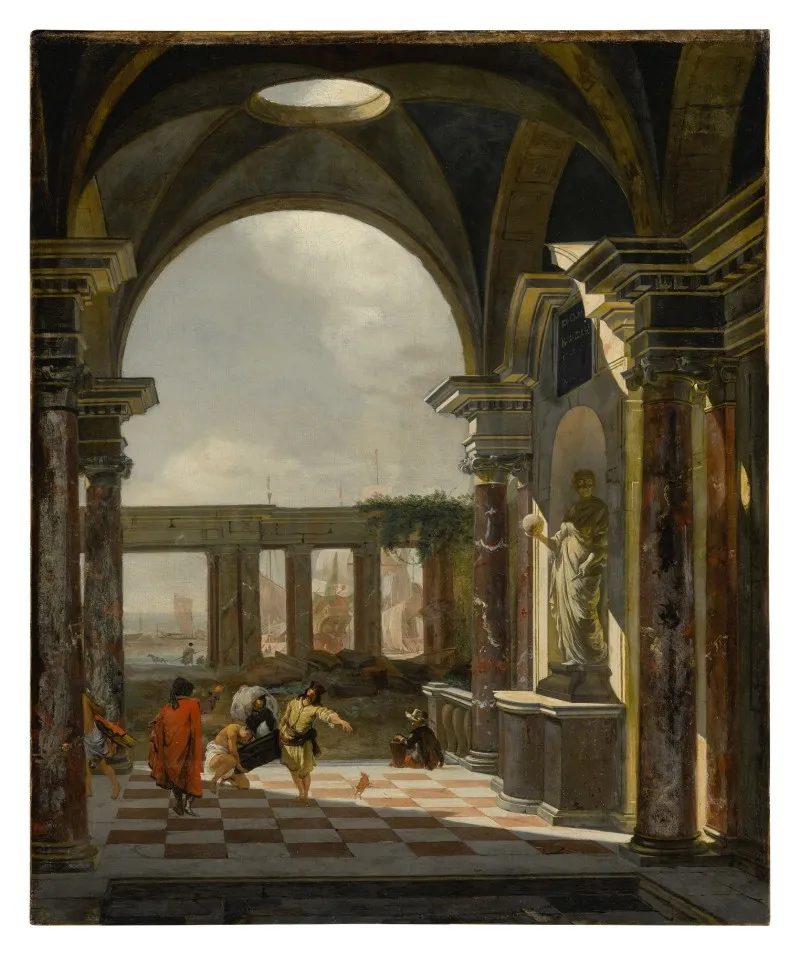
The spaces that connect a building's exterior to its interior are among the most psychologically potent square footage in any structure. Too often treated as mere functional connectors, vestibules, foyers, and entry sequences are in fact the architectural instruments through which occupants calibrate their expectations, behaviors, and emotional readiness. This article examines why these transitional zones deserve far more deliberate design attention than they typically receive.

Where Great Architecture Goes to Compromise: Navigating the Long Road from Concept to Construction

Where Great Architecture Goes to Compromise: Navigating the Long Road from Concept to Construction

Every architectural project begins with a vision—a coherent, often beautiful idea about how a space should make people feel. What happens between that first sketch and the final certificate of occupancy, however, is rarely a straight line. Understanding the forces that reshape design intent is essential for any client or professional who wants the finished building to honor the original idea.

Rethinking the Corner: How Equitable Workspace Design Is Reshaping Organizational Culture

Rethinking the Corner: How Equitable Workspace Design Is Reshaping Organizational Culture

For decades, the corner office functioned as architecture's most legible status symbol—a spatial reward for those who climbed high enough to claim it. Today, forward-thinking firms are dismantling that hierarchy entirely, and the buildings they occupy are telling a fundamentally different story about how work happens and who it belongs to.

What the Lobby Tells You Before Anyone Does: Space as Organizational Truth

What the Lobby Tells You Before Anyone Does: Space as Organizational Truth

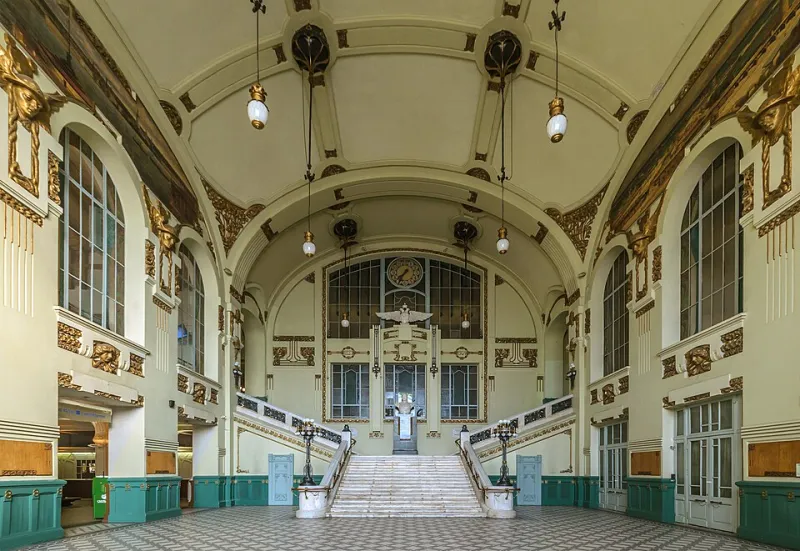
A corporate lobby is never just a waiting area. It is an unscripted declaration of what an organization believes about itself, its people, and the individuals who enter seeking something from it. Understanding how these transitional spaces communicate — and where they fall short — is essential to designing with genuine intent.

Going Up: What the Path Between Floors Reveals About a Building's Soul

Going Up: What the Path Between Floors Reveals About a Building's Soul

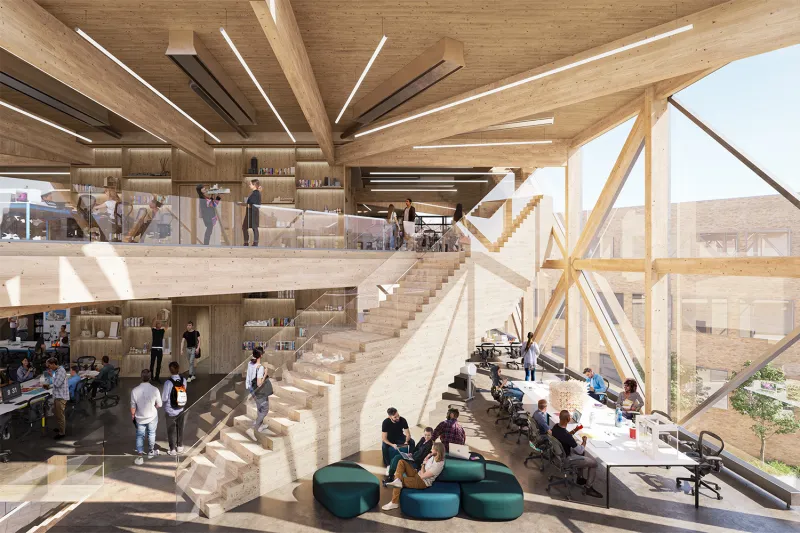
The decision of where to place a staircase—and how to treat it architecturally—is one of the most consequential choices a designer makes. Far from a code-compliance afterthought, vertical circulation shapes how people encounter one another, how culture forms within a building, and whether a space feels alive or merely functional. At RB Architect, we treat the path between floors as one of the most revealing statements a building can make.

Before You Cross the Threshold: The Architecture of Arrival

Before You Cross the Threshold: The Architecture of Arrival

The most consequential moments in any building's experience often happen before a visitor settles in—during the transitional sequence from street to interior. Thoughtful architects treat arrival not as a logistical formality but as a carefully orchestrated narrative, using materiality, compression, light, and scale to prime how every subsequent space is perceived. Understanding the threshold effect reveals why entry design deserves far more attention than most clients initially anticipate.

Designing with Daylight: Why Natural Light Is a Building's Most Powerful System

Designing with Daylight: Why Natural Light Is a Building's Most Powerful System

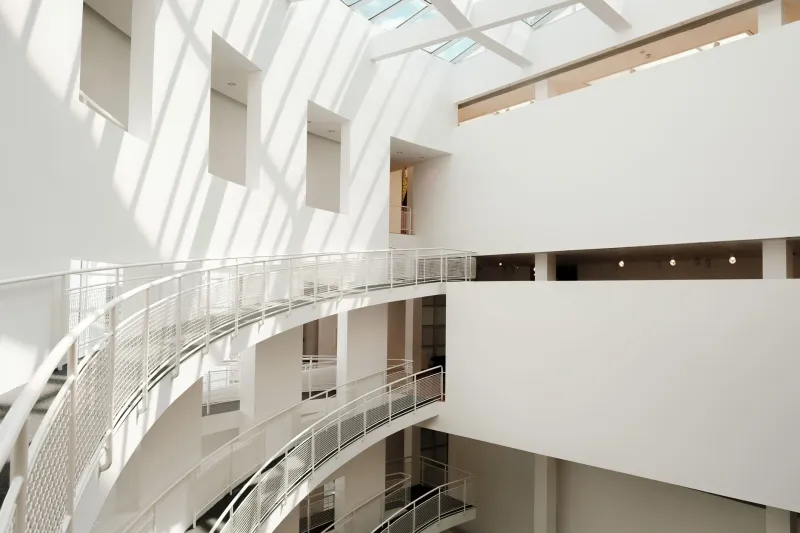
Natural light is often treated as an aesthetic amenity—a pleasant bonus that distinguishes a well-designed building from a merely functional one. In rigorous architectural practice, however, daylighting is a performance system as consequential as mechanical engineering or structural design, with measurable effects on energy consumption, occupant health, and the long-term value of a building. Understanding how light moves through a structure is among the most demanding and rewarding disciplines i

Building Forward: The Materials Redefining Durability and Design for the Next Generation

Building Forward: The Materials Redefining Durability and Design for the Next Generation

The materials an architect specifies are among the most consequential decisions in any project—shaping structural performance, environmental impact, aesthetic longevity, and lifecycle cost simultaneously. A new generation of materials is now moving from research contexts into mainstream practice, and understanding their potential is essential for any practice committed to building responsibly and well.

Architecture's Long Game: The Principles That Separate Lasting Buildings from Dated Ones

Architecture's Long Game: The Principles That Separate Lasting Buildings from Dated Ones

Some buildings grow more compelling with each passing decade while others begin to feel exhausted within a few years of completion. The difference rarely comes down to budget or ambition — it comes down to a disciplined set of design principles that prioritize permanence over novelty. RB Architect offers a frank assessment of what architectural longevity actually requires, and why so many otherwise intelligent projects fail to achieve it.

Built to Last, Built to Feel: The Hidden Psychology Behind Enduring Architecture

Built to Last, Built to Feel: The Hidden Psychology Behind Enduring Architecture

The buildings we inhabit shape more than our daily routines — they quietly influence our emotional health, sense of identity, and connection to place. At RB Architect, we believe that designing for longevity and designing for human well-being are not separate pursuits, but two expressions of the same architectural conviction. Here, we examine the science and practice behind spaces that endure — and why those spaces tend to feel profoundly better to live and work in.